4 mins Read
As businesses continue shifting toward digital operations, the demand for data centers has increased dramatically. These facilities now support everything from cloud platforms and online transactions to artificial intelligence applications and enterprise software systems. While data centers are essential for modern technology, they also consume enormous amounts of electricity.
The growing energy demand has created concerns about rising operational costs, environmental impact, and carbon emissions. To build more sustainable digital infrastructure, organizations are increasingly combining renewable energy solutions with artificial intelligence (AI).
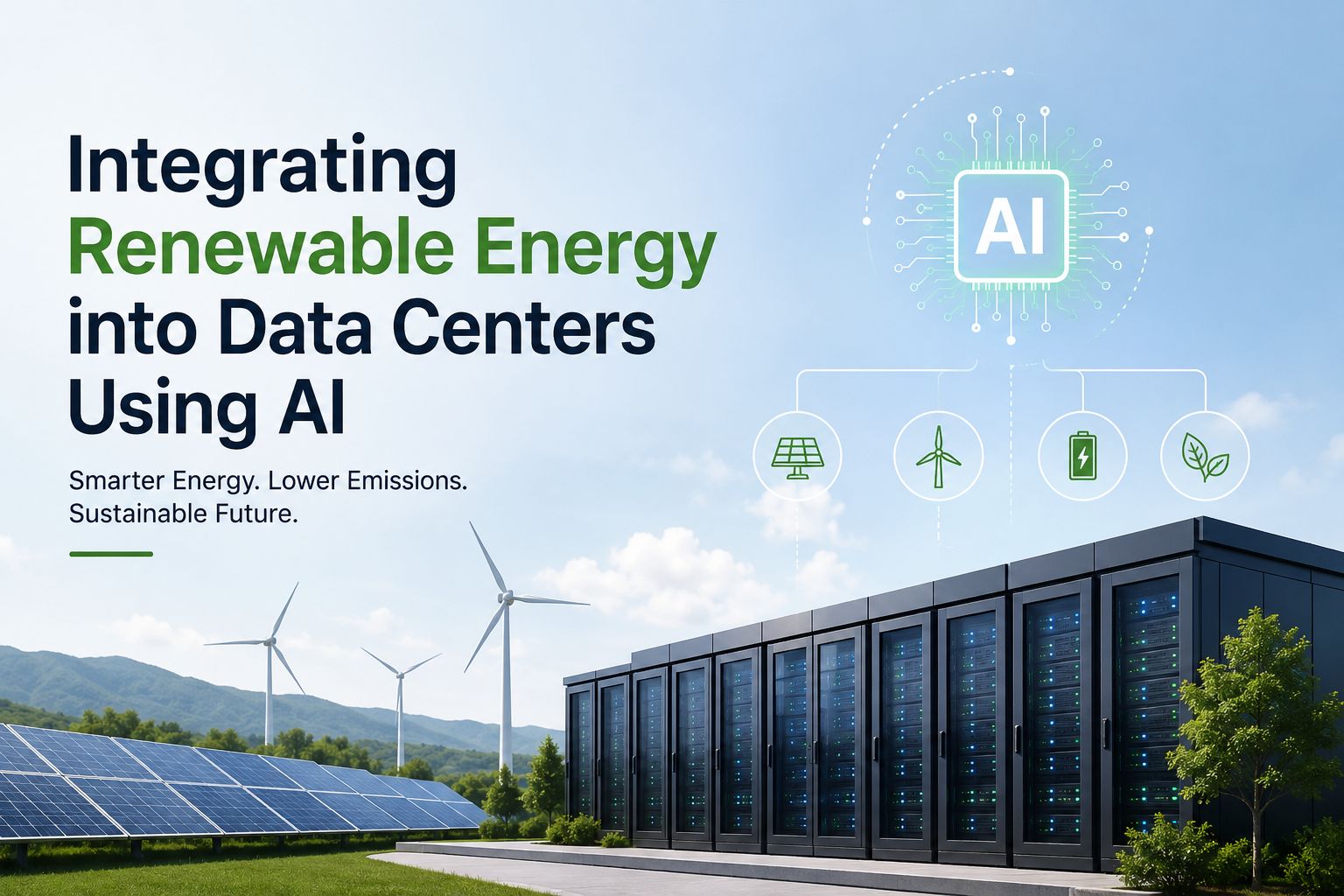
AI is helping data centers manage renewable energy more effectively by improving energy efficiency, reducing waste, and supporting smarter carbon management strategies.
The Rising Energy Demand of Data Centers
Data centers operate continuously to maintain uptime, security, and system performance. Servers, networking equipment, storage systems, and cooling infrastructure all require large amounts of electricity to function properly.
As digital transformation accelerates across industries, energy consumption inside data centers continues to rise. This creates two major challenges:
- Increased operational expenses
- Higher environmental impact from carbon emissions
Many companies are now under pressure to meet sustainability goals while maintaining reliable digital operations. Renewable energy has become an important part of this transition.
Why Renewable Energy Is Important
Renewable energy sources such as solar, wind, and hydroelectric power provide cleaner alternatives to conventional electricity generation methods that depend heavily on fossil fuels.
By integrating renewable energy into data center operations, businesses can:
- Lower carbon emissions
- Improve energy sustainability
- Reduce long-term electricity costs
- Support environmental compliance goals
- Strengthen corporate sustainability initiatives
However, renewable energy systems also introduce complexity because power generation levels can fluctuate depending on weather conditions and energy demand.
Managing these fluctuations efficiently requires intelligent systems capable of making real-time operational decisions. This is where AI becomes highly valuable.
How AI Improves Renewable Energy Integration
AI technologies help data centers analyze large amounts of operational and environmental data quickly and accurately. These systems support smarter energy planning, automation, and resource optimization.
Real-Time Energy Monitoring
AI systems can continuously monitor energy usage throughout the data center. By analyzing equipment performance and operational demand, AI identifies areas where energy consumption can be reduced without affecting system reliability.
This helps businesses optimize renewable energy usage more effectively.
Predictive Energy Management
AI uses historical operational data, traffic trends, and workload behavior to forecast future energy requirements.
For example, if a spike in user activity is expected during certain hours, AI can prepare renewable energy systems and battery storage resources in advance. During low-demand periods, energy consumption can be adjusted automatically to avoid unnecessary waste.
Predictive management improves energy efficiency while supporting stable operations.
Optimizing Renewable Energy Usage
Renewable energy availability changes throughout the day. Solar power generation decreases at night, while wind energy depends on weather conditions.
AI-driven energy management systems can analyze:
- Weather forecasts
- Renewable energy generation levels
- Battery storage capacity
- Grid energy availability
- Real-time power demand
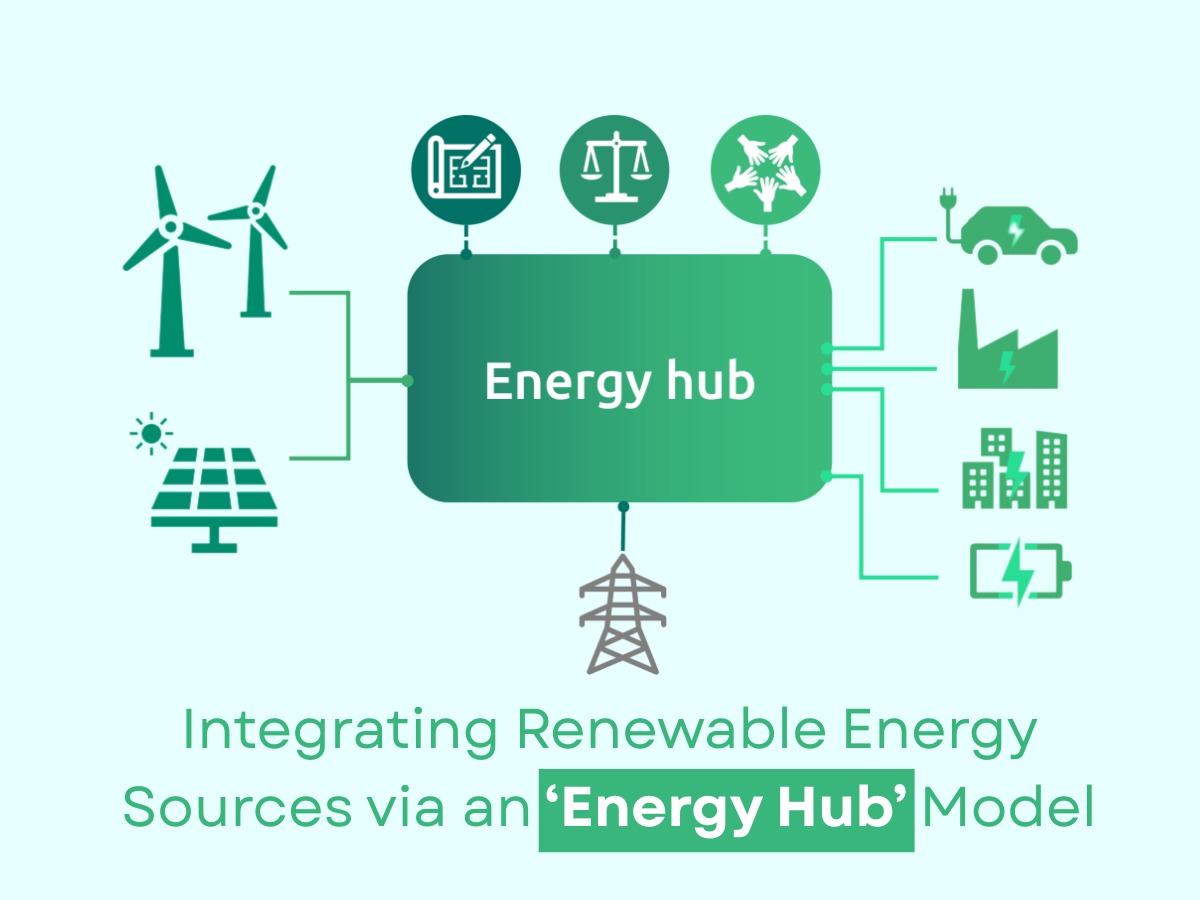
Based on this information, AI determines the most efficient way to distribute energy resources across the facility.
This helps maximize renewable energy utilization while reducing dependence on conventional power sources.
AI-Powered Cooling Systems
Cooling infrastructure is one of the largest energy-consuming components inside data centers.
AI-based cooling systems can monitor temperature levels, airflow patterns, and server heat generation continuously. Instead of operating cooling equipment at fixed levels, AI adjusts cooling output dynamically according to real-time conditions.
This improves efficiency while reducing electricity consumption significantly.
Intelligent Workload Distribution
Some organizations operate multiple data centers across different geographic regions. AI can distribute workloads strategically based on renewable energy availability.
For example, workloads may be shifted to facilities currently generating excess solar or wind energy. This allows businesses to use renewable resources more efficiently while reducing overall carbon emissions.
Key Benefits of AI and Renewable Energy Integration
Integrating renewable energy into data centers using AI offers several important advantages.
Lower Carbon Emissions
Renewable energy reduces dependence on fossil fuels, while AI ensures energy resources are used efficiently. Together, they help minimize environmental impact.
Reduced Operational Costs
AI helps optimize electricity usage, cooling efficiency, and energy distribution. Over time, this can reduce operational expenses significantly.
Improved Reliability
AI systems continuously monitor infrastructure performance and can identify potential issues before failures occur. This improves operational stability and reduces downtime risks.
Better Sustainability Compliance
Many industries now face stricter environmental regulations and sustainability reporting requirements. AI-driven renewable energy integration helps businesses meet these expectations more effectively.
Smarter Infrastructure Management
AI enables data centers to move beyond traditional energy management practices and adopt more intelligent, automated operational systems.
Conclusion
The future of data centers will depend heavily on intelligent energy management, renewable energy adoption, and carbon reduction strategies. As AI technology continues evolving, businesses will gain better control over energy consumption, operational efficiency, and sustainability performance.
Integrating renewable energy into data centers using AI is not just about reducing electricity costs. It is about building smarter systems that support cleaner operations, lower carbon emissions, and a more sustainable future. For organizations looking to improve sustainability through AI-driven energy optimization and carbon reduction strategies, CIRTEC AI offers solutions designed to support cleaner and more efficient digital infrastructure.
Ready to take the next step toward a more efficient and responsible business model?
Discover how CIRTEC.ai helps organisations track, manage, and reduce emissions while improving operational performance.
👉 Visit CIRTEC AI to begin your circular technology journey today.Also, follow us on LinkedIn:
Stay informed about practical approaches to carbon reduction, evolving regulations, and real-world business strategies. Be part of a growing network focused on measurable progress.
👉 CIRTEC.ai LinkedIn Profile