4 mins Read
As our cities are rapidly growing, smart buildings have never been more essential in reducing our carbon emissions.
What is a smart building? A smart building is one that uses new technologies to make the building’s operations more sustainable and efficient.
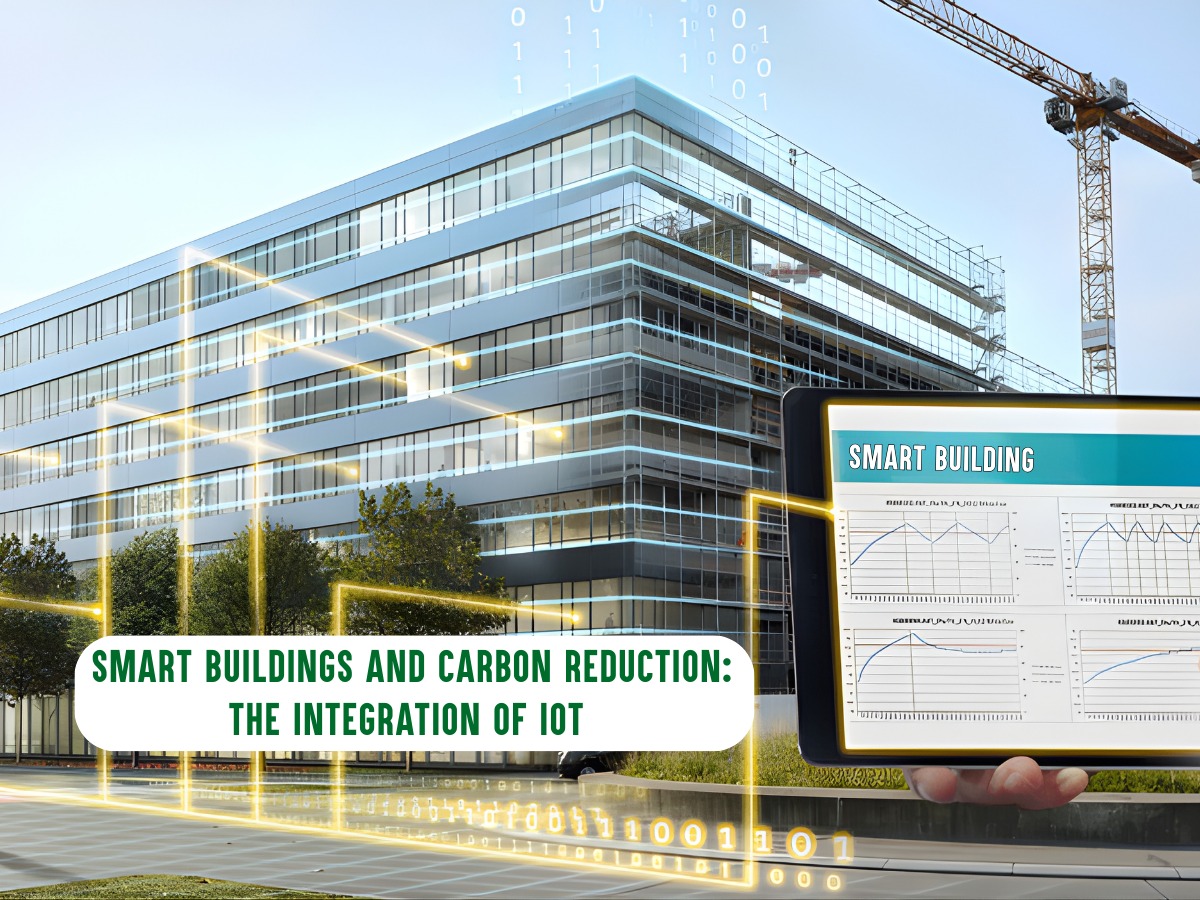
IoT integration is at the very heart of a smart building. The Internet of Things (IoT) refers to machines and sensors that are linked together to collect real-time data from the building in order to automate and manage systems like heating, air conditioning, lighting, (HVAC) and security.
This saves a lot of energy by adjusting these systems based on room occupancy and external temperature.
Shifting the Focus from Static Data to Foresight
Traditional carbon accounting relies heavily on periodic reporting. Data such as energy consumption, travel, and supply chain activity is collected, recorded, and reviewed long after emissions have already occurred. This delay leaves little room to anticipate future outcomes or respond proactively.
AI transforms this model by analysing large volumes of real-time and historical data simultaneously. Through machine learning, AI systems can identify patterns in electricity usage, operational behaviour, logistics, and procurement.
Based on these insights, AI can forecast future emissions across different scenarios, such as seasonal demand surges, business growth, supply chain changes, or new regulatory requirements.
This predictive capability enables sustainability teams to ask better, more forward-looking questions:
- What will our carbon footprint look like if production increases by 20 percent?
- How would emissions change if we switch suppliers over the next three years?
- If no action is taken, where are emissions most likely to increase?
Instead of reacting to problems after they occur, organisations can plan in advance.
The Role of IoT in Energy Efficiency
By deploying IoT sensors in the building, you can track parameters like temperature, power usage, and air quality on an ongoing basis. For example, an IoT sensor in an office building may detect that a room is empty and automatically turn off the HVAC system. This saves your company time and money by preventing the heating and cooling of spaces that don’t need it.
With smart lights, sensors detect entry into a room and trigger the lights. The lights will automatically turn off after someone leaves, preventing energy waste. Additionally, IoT can detect water leaks in the structure, notifying building owners to fix the leak immediately and avoid major losses or wastage.
Many existing building systems, built decades ago, run day in and day out to heat and cool the building, regardless of whether people are there to use the heat or cooling. This is one of the biggest problems plaguing buildings. With IoT, we can use real-time building data to control systems, optimizing their operation and saving both energy and carbon.
Reducing Carbon Emissions and Enhancing Sustainability
Looking at the evolution of smart buildings, there are two key ways they help with climate change: First, energy-efficient buildings require less energy, which in turn reduces the burden on energy production, particularly when it comes from burning fossil fuels.
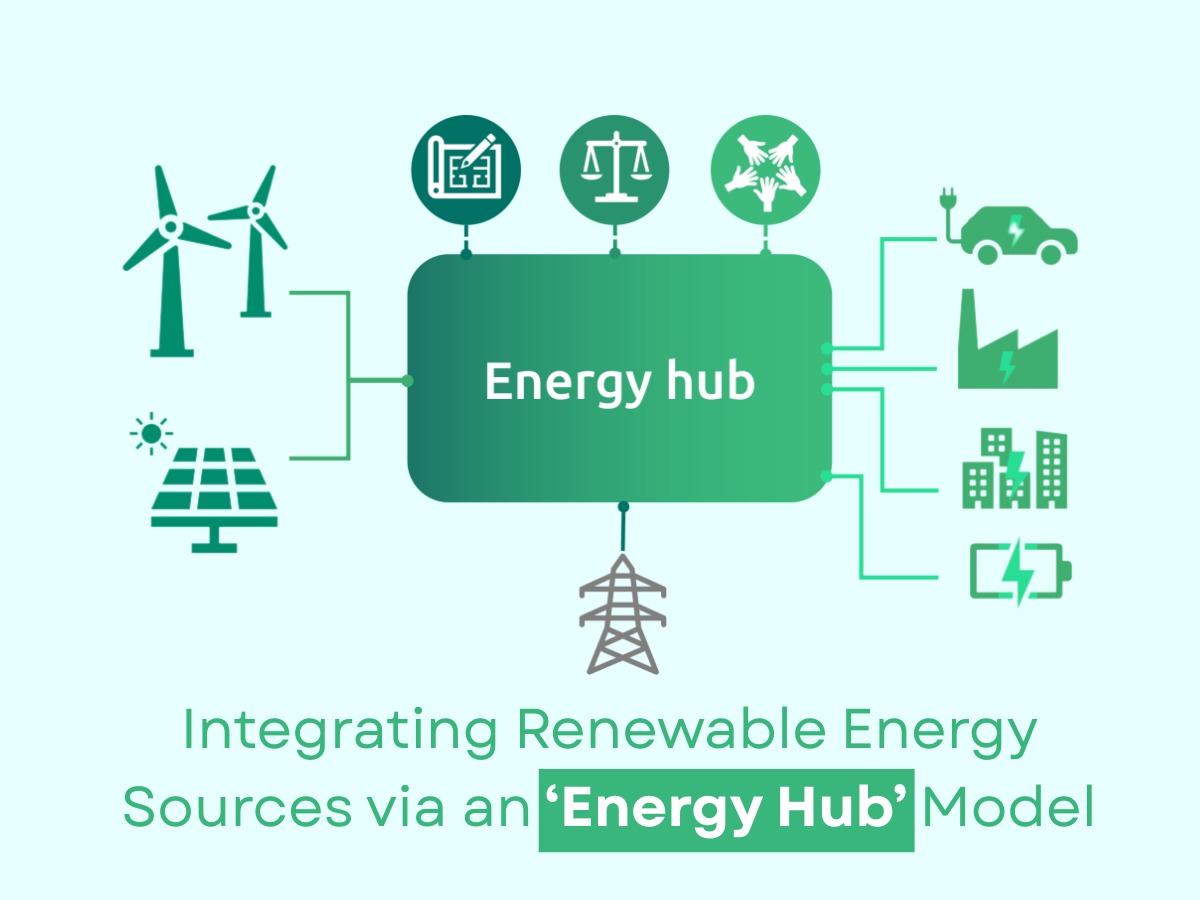
Secondly, intelligent buildings can also be equipped with solar panels and wind turbines to generate clean energy. In one building, you can generate free energy during the day when the sun is out and only turn on your regular electrical supply when the sun goes down. Not only does this save you money, but it also lowers your carbon footprint.
Smart buildings have many other potential applications. According to a Grand View Research, the smart building industry is expected to grow from USD 141.79 billion in 2025 to USD 554.02 billion by 2033, with a compound annual growth rate (CAGR) of 18.9%. This rapidly expanding market shows the significant growth of smart building solutions.
The same thinking applies to the condition of a building’s envelope, such as identifying insulation that needs replacing or windows that are leaky. These are all energy-saving measures that ensure the building envelope performs optimally.
The Future: Smart Cities
We can connect many smart buildings to form a city-wide network of smart buildings, which would constitute a smart city. These smart buildings can share energy usage information with each other, and energy demand can be shifted to other buildings in the city, decreasing the strain on the grid.
The real-time data and other information obtained from these smart devices is not only useful for saving energy but also for preventing blackouts.
If there are spikes in electricity demand, these devices can be effective in reducing energy consumption to prevent a city-wide blackout.
Ultimately, the vision is to leverage the power of the Internet of Things to create smart, sustainable places where energy data can be accessed, leveraged, and analyzed on the fly to improve energy efficiencies, and lower our carbon footprint.
Conclusion
Therefore, integrating IoT technology to smart buildings is a great way to save energy, reduce carbon emissions, and improve overall performance. Companies that adopt these advanced, eco-friendly systems will be prepared for the future as more customers, investors, and regulators demand smart buildings that are eco-friendly and also technologically advanced.
Ready to take the next step towards a smarter, greener future?
Discover how CarbonZeroed helps organisations reduce IT emissions and improve efficiency using AI-driven sustainability solutions.
Visit CarbonZeroed to kickstart your sustainability journey.Also, follow us on LinkedIn:
Stay updated with the latest trends and innovations in sustainability and smart building technology. Join the conversation and be part of the movement!
👉 CarbonZeroed LinkedIn Profile