6 mins Read
Did you know that commercial buildings alone account for a huge chunk of energy use and carbon emissions worldwide?
This mainly comes from heating, cooling, lighting, and powering equipment. With growing global pressure to tackle climate change and rising energy costs, it’s no wonder businesses are seeking smarter, greener solutions.
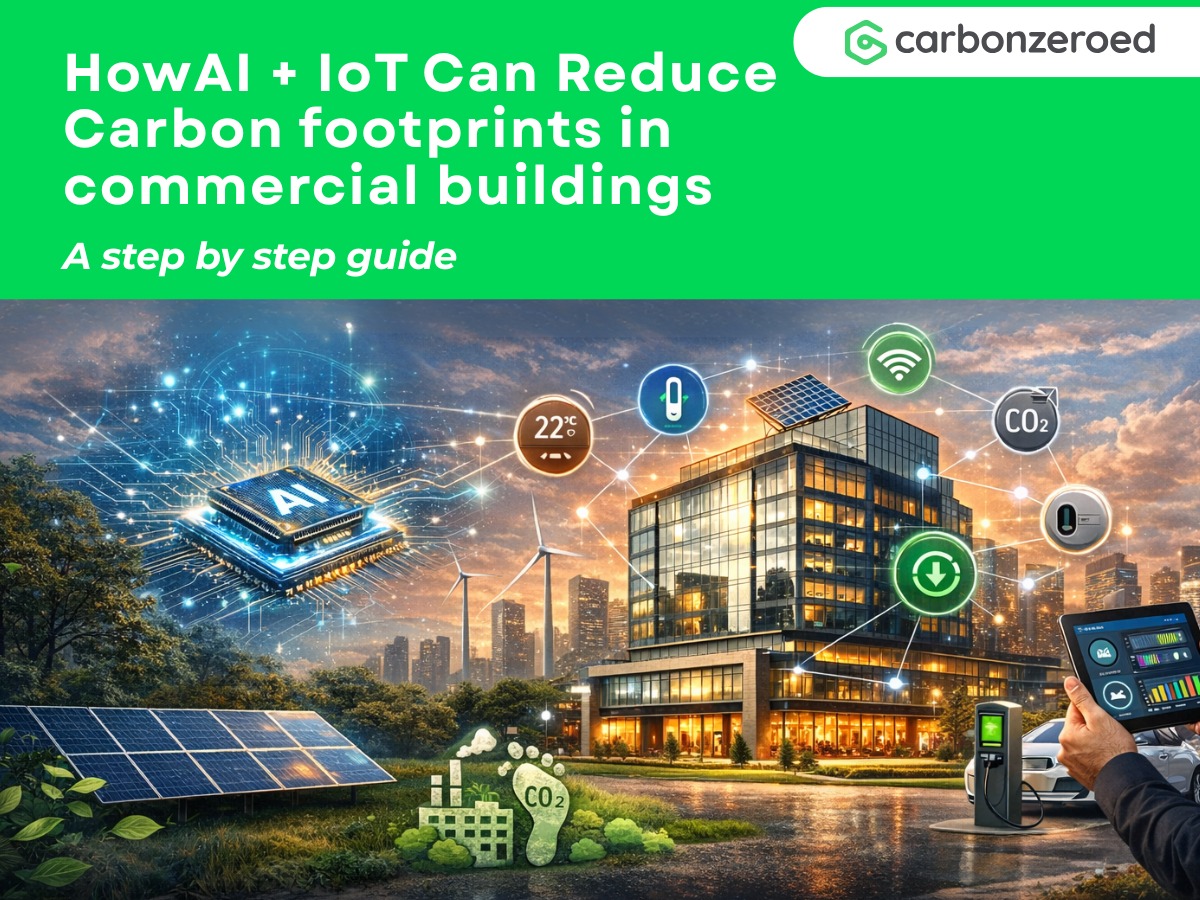
That’s where AI (artificial intelligence) and IoT (Internet of Things) come in. When these technologies team up, they can turn ordinary buildings into clever systems that learn, adapt, and shrink their carbon footprint without sacrificing comfort or performance.
Let’s break down how it works:
Smart Sensing with IoT
IoT devices serve as the “ears and eyes” of a smart building, providing real-time data through sensors installed in HVAC units, lighting systems, windows, electrical panels, and more.
These sensors collect critical information on temperature, humidity, occupancy, movement, electricity and water usage, and equipment performance. By continuously monitoring these variables, IoT enables automated systems and seamless integration with renewable energy sources, all while supporting better energy efficiency.
According to MDPI Open Access Journal, this data not only helps optimize building management but also lays the groundwork for advanced AI-driven solutions, like predictive maintenance and intelligent climate control, which further enhance energy conservation and occupant comfort.
Let AI Crunch the Data — Predictions & Optimization
It sifts through the information to identify patterns that humans might overlook. For example, AI can predict when HVAC filters are likely to fail, allowing for proactive maintenance before energy is wasted. It can also adjust lighting and cooling automatically, based on factors like occupancy and external weather conditions. Additionally, AI can forecast energy demand, helping to trim usage during peak pricing hours.
Research shows that AI-IoT systems can reduce building emissions by around 21% when they optimize energy management across different systems. That’s not just a small saving—it’s a significant reduction in carbon emissions, all thanks to smarter decision-making powered by AI.
Optimize Systems in Real Time
With a smart system in place, HVAC units adjust based on the number of people in a space, ensuring that heating or cooling is only used when necessary. Lights automatically dim or brighten depending on daylight and occupancy levels, while energy use is shifted away from expensive peak times.
These automated adjustments significantly reduce wasted energy, which is a key factor in cutting carbon emissions. Research indicates that buildings using AI-powered energy management can achieve double-digit energy savings compared to traditional systems, making this approach not only environmentally friendly but also cost-effective.
Connect to the Grid & Renewables
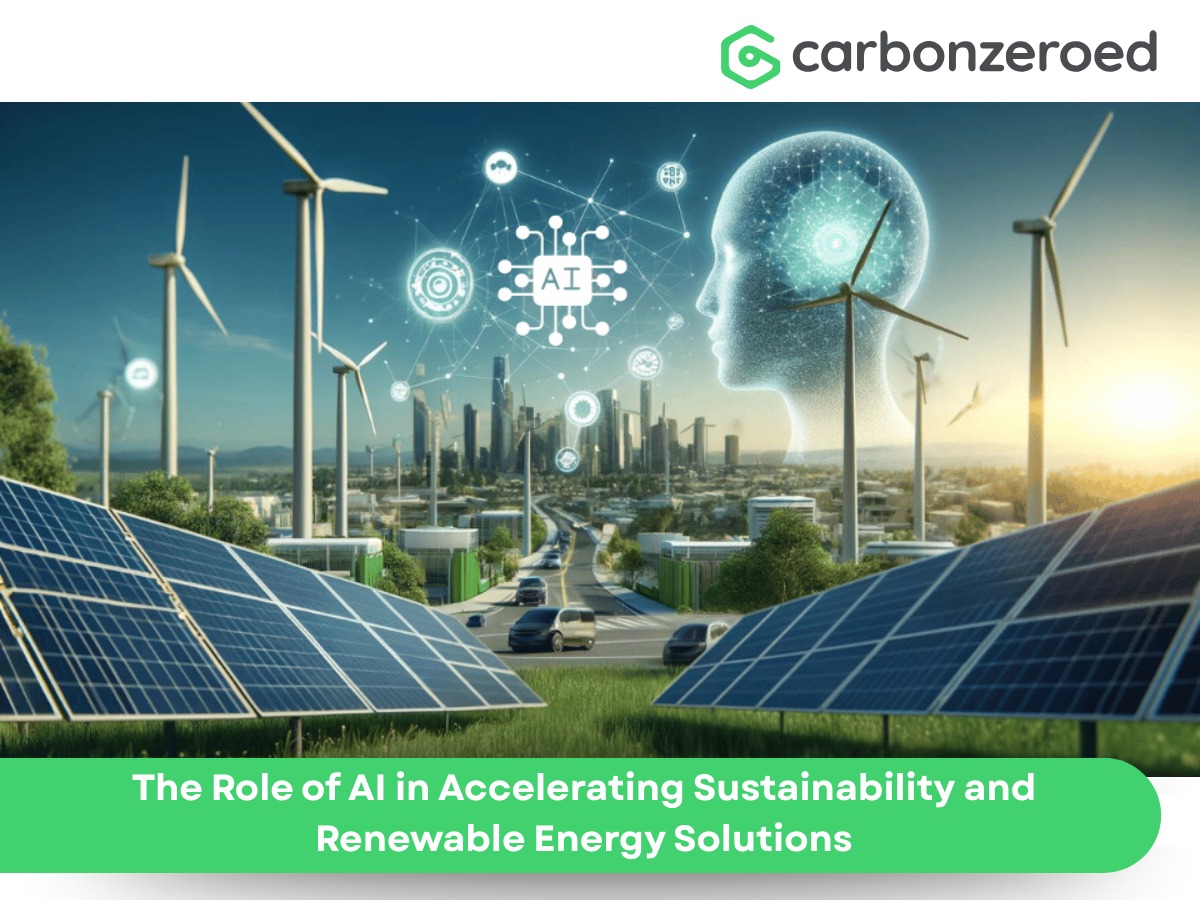
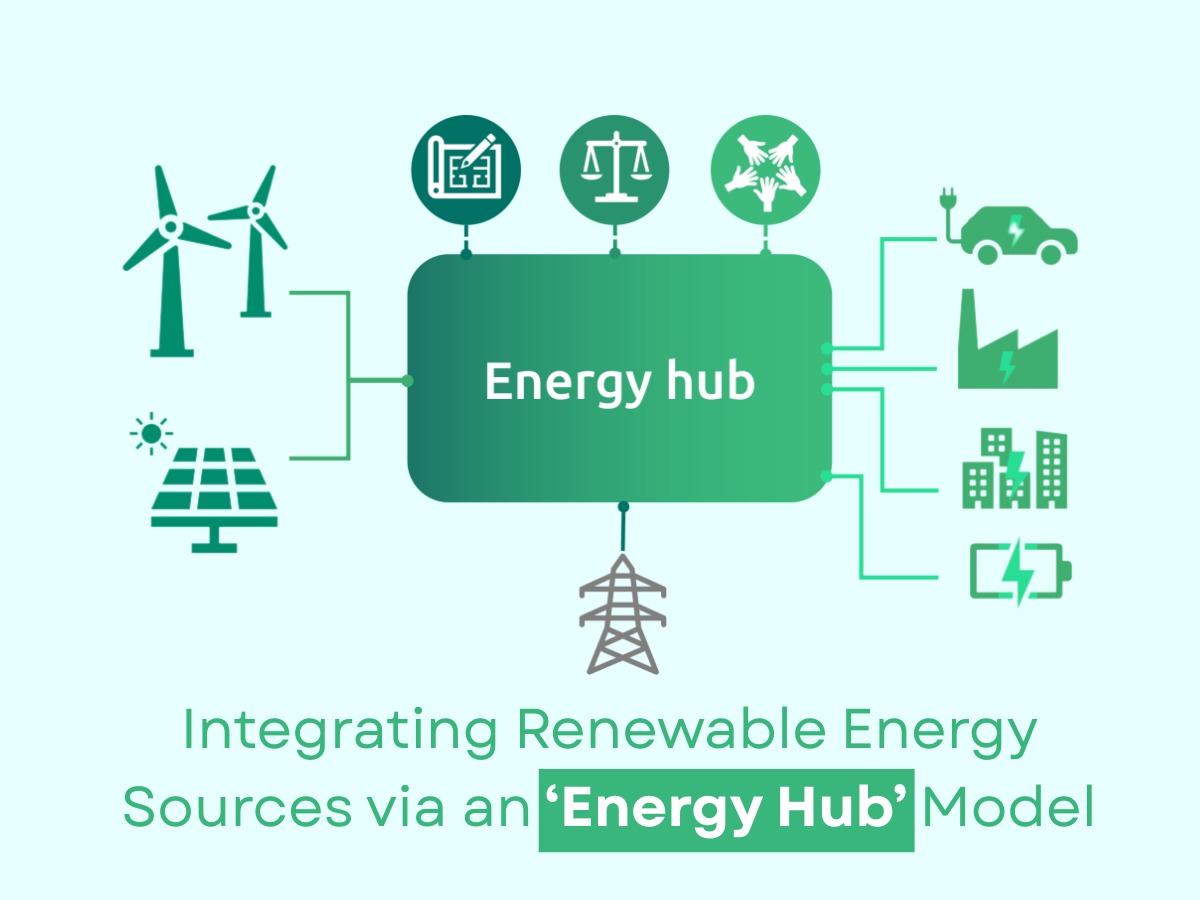
Smart buildings aren’t islands. They can sync up with the local energy grid and renewable sources like solar panels. A building that knows when the sun is shining or wind is blowing can pull in green power when it’s cheapest and cleanest. That lowers the carbon footprint even more and can save money too.
This kind of energy smarts is going mainstream — market trends in 2025 show green building tech booming, with smart systems delivering about 25% lower energy use compared to traditional buildings.
Continuous Learning & Improvement
AI doesn’t just optimize once — it keeps learning. Over time, it gets better at predicting energy patterns and cutting wastage. Systems adapt to changes like occupancy trends, new equipment, or even shifting weather without human intervention. That means ongoing improvements to both efficiency and carbon reduction.
So, the push for smarter technologies like AI + IoT isn’t just trendy — it’s essential if we want to meet global climate goals and keep energy costs under control.
Conclusion
Using AI and IoT in commercial buildings isn’t just about tech for tech’s sake — it’s a practical way to cut carbon emissions, trim energy bills, and run operations more smoothly. As pressure grows from regulators, investors, and customers to act on climate change, businesses that embrace smart, data‑driven buildings will be ahead of the game.
And because buildings account for such a large slice of global emissions, even modest improvements can make a huge difference on the climate front.
Ready to take the next step towards a smarter, greener future?
Discover how CarbonZeroed helps companies shrink their carbon footprint and improve efficiency with cutting‑edge tech solutions. Visit the site to kickstart your sustainability journey.
Visit CarbonZeroedAlso, follow us on LinkedIn:
Stay updated with the latest trends and innovations in sustainability and smart building technology. Join the conversation and be part of the movement!
👉 CarbonZeroed LinkedIn Profile