6 mins Read
The transition to a net-zero world is happening faster than ever, but achieving this goal requires more than just renewable energy generation.
It requires systems that integrate and optimize multiple energy sources, reduce inefficiencies, and provide real-time insights.
This is where the Energy Hub model comes into play, offering a cutting-edge solution for businesses looking to improve their sustainability efforts and accelerate their energy transition. It allows businesses to reduce their energy expenditure while maintaining high efficiency levels in their operations. In other words, it serves as a comprehensive approach to sustainability, contributing to a greener Earth and fulfilling environmental responsibility.
Now, let’s understand the meaning of the Energy Hub, its importance, and how it benefits a business enterprise.
Energy Hub: Meaning and Significance
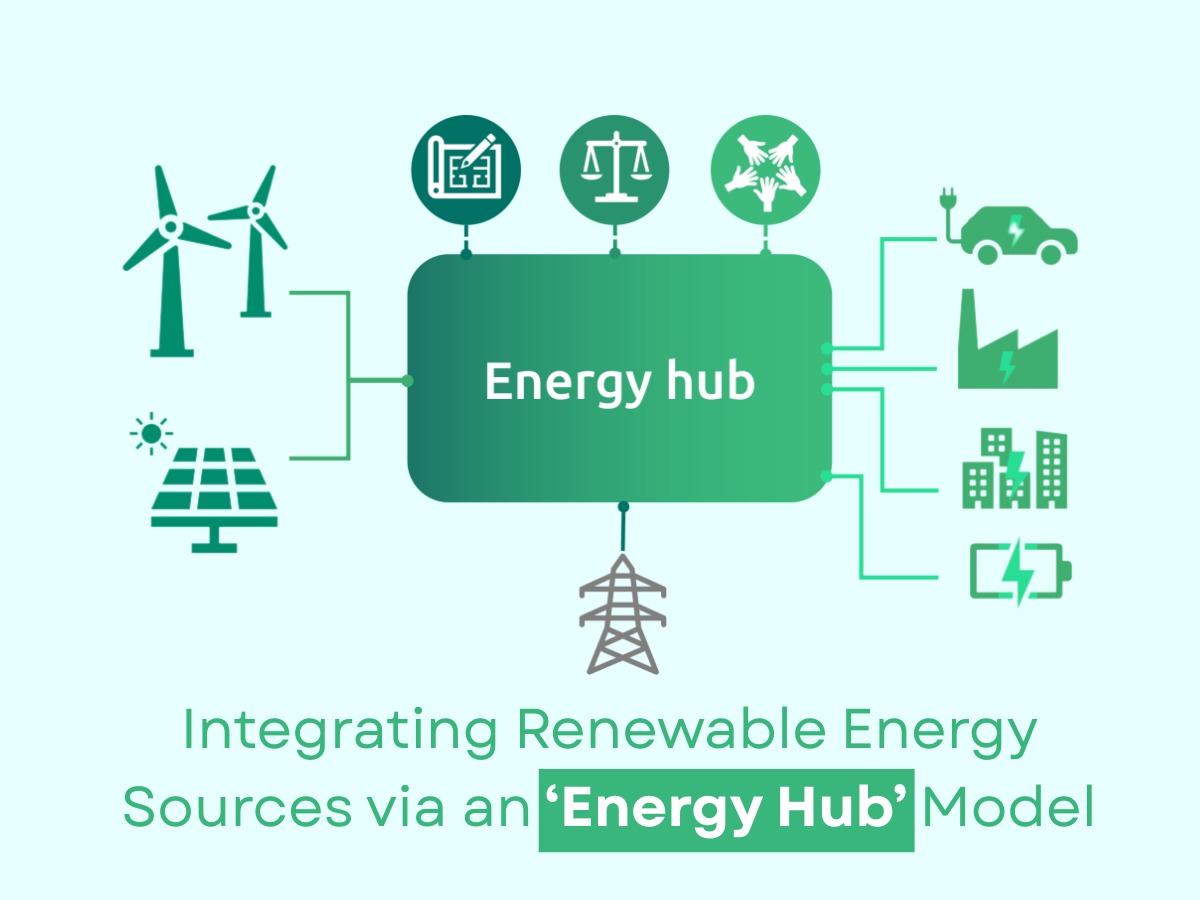
An Energy Hub is a system through which multiple renewable energy sources, storage options, and energy-consuming devices can be connected into a single, smart infrastructure.
In addition, it optimizes the flow of energy across a network and, instead of treating solar, wind, or storage as individual silos, offers seamless integration with enhanced efficiency.
Why Integration Matters
One of the major barriers to renewable energy adoption is the intermittency of sources like solar and wind. Unfortunately, energy production doesn’t always align with consumption, and this is where an Energy Hub can help. With an integrated system in place, excess energy generated during peak times can be stored or redirected to ensure a constant, reliable power supply 24/7.
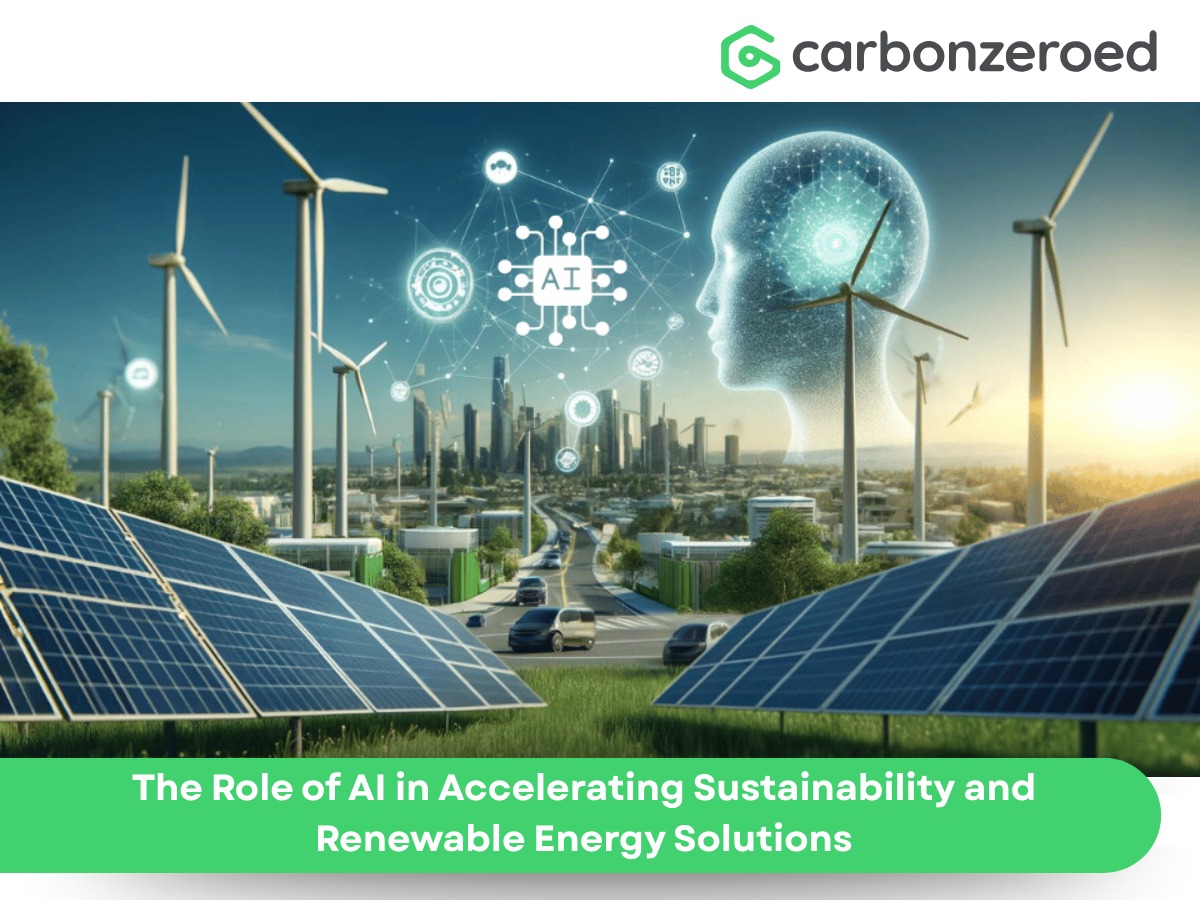
Furthermore, by making the best use of AI and IoT-powered systems, the Energy Hub offers real-time analytics, energy usage records, emissions data, and waste information—all in one place. It also analyzes other sustainability metrics, including GHG emissions, energy consumption, and waste tracking, helping businesses understand their entire environmental footprint and encouraging sustainable, eco-friendly operations with both sustainability and efficiency in mind.
Benefits of an Energy Hub
Offers Optimized Efficiency:
The Energy Hub comes with a data-driven energy management system that helps businesses identify hidden inefficiencies and trends in their energy use. Moreover, it is also helpful in keeping track of the firm’s energy performance throughout the year.
Wherever required, the firm may also obtain energy performance certificates, backed by reliable data, making it easier for buildings and office complexes to adhere to quality standards and qualify for accreditation while maintaining their commitment to sustainability.
Helps in Cost Reduction:
The Energy Hub reduces energy waste, lowering both consumption and operating costs. By controlling HVAC, power, and loads, businesses can optimize their energy use without compromising the firm’s operational needs.
Encourages Enhanced Sustainability:
Integrating renewable sources with advanced energy management tools cuts GHG emissions and supports a circular economy model. Thus, the Energy Hub helps businesses meet their energy goals and comply with their sustainability targets in a pragmatic manner.
The Energy Hub: A Global Necessity for the Future
These days, more and more countries and businesses are adopting the Energy Hub model across the globe to tackle the complex challenges of energy transition.
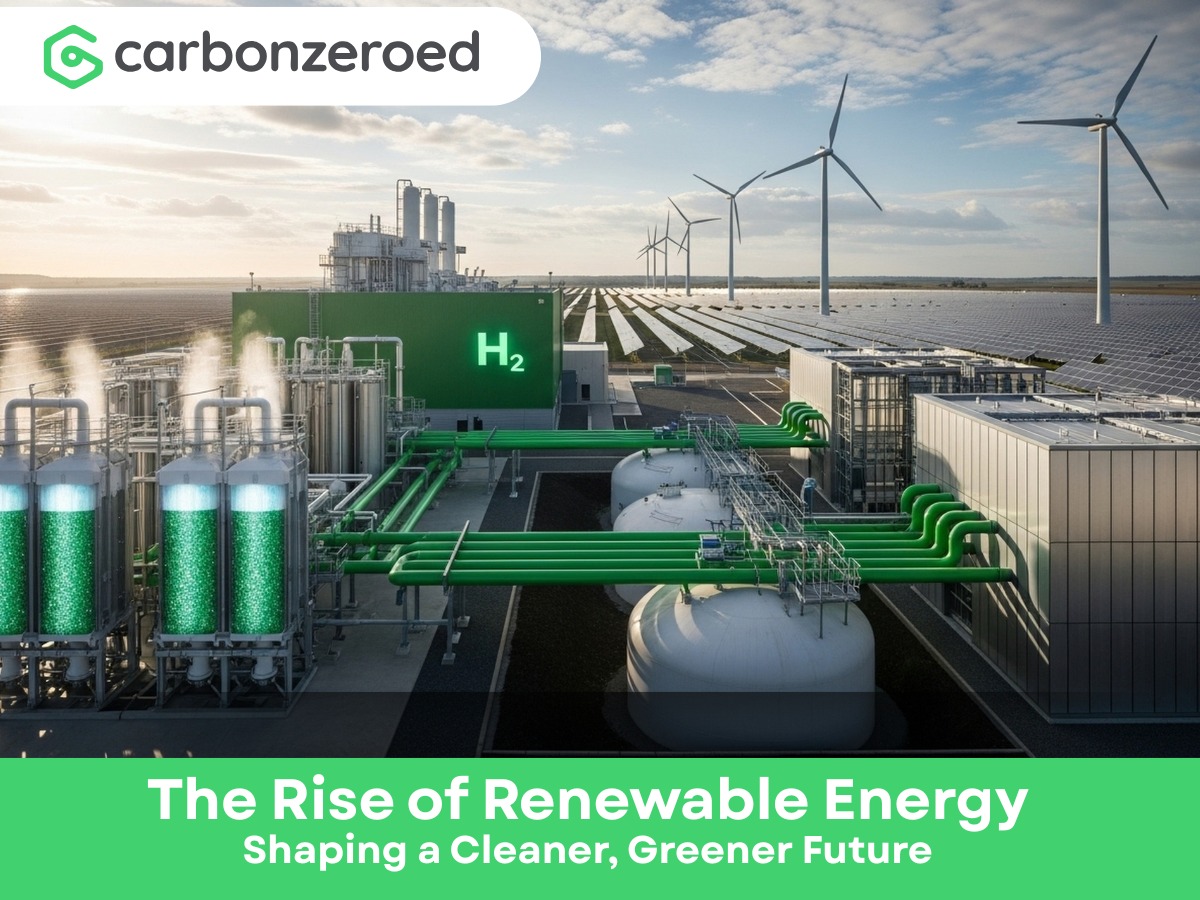
In Europe, integrated systems combining wind and solar with energy storage and hydrogen production are becoming increasingly popular. According to a Science Direct Report, the energy landscape in Europe is experiencing a significant transformation, driven by two key objectives: reducing greenhouse gas emissions to combat climate change and improving energy security by decreasing reliance on imported fossil fuels. The report further highlights that, from 23.6% of the energy mix in 2015, the share of renewables increased to 34.1% by 2021. This rise underscores Europe’s strategic focus on expanding its use of sustainable energy sources, including wind, solar, and hydroelectric power.
Similarly, in India and other Asian nations, decentralized Energy Hubs powered by solar, battery storage, and biogas are providing reliable, green energy to underserved and marginalized communities, who may not otherwise have the monetary power to access electricity and advanced electrical appliances.
According to a PIB Document released by the Government of India, as of now, renewables now account for 50.07% of India’s total installed power capacity of 484.82 GW, and thus achieved a COP26 commitment five years ahead of the 2030 target.
For businesses that want to achieve Net Zero goals, integrating the Energy Hub model can significantly accelerate the energy transition.
With Carbon Zeroed’s approach, businesses are equipped with the tools they need to manage energy use effectively, reduce emissions, and demonstrate their sustainability efforts through verified energy performance data.
Conclusion
As we move closer to a carbon-neutral future, the importance of integrating multiple renewable energy sources and optimizing energy use cannot be overstated. The Energy Hub model represents a forward-thinking, scalable solution that empowers businesses to navigate their energy transition, optimize their resources, and meet their carbon reduction goals with confidence.
At Carbon Zeroed, the commitment to Circularity for Life and real-time carbon accountability ensures that every business transition is not only successful but sustainable. Through innovations like the Energy Hub, companies can achieve significant energy savings, cut emissions, and contribute meaningfully to a cleaner, greener future.
Discover how CarbonZeroed can accelerate your sustainability journey.
Explore our AI-powered solutions for energy optimization and seamless renewable energy integration.
Visit CarbonZeroed today