4 mins Read
China’s National People’s Congress (NPC) recently concluded its biggest political gathering, setting the stage for a strategic shift in its Maritime sector.
A key part of this shift lies within the 15th Five-Year Plan (2026–2030), which outlines China’s ambitions to strengthen its position as a global sea power, with a strong focus on technological self-reliance and sustainable growth.
The plan, presented during the 2026 “Two Sessions,” signals China’s intent to become a “strong maritime country” by 2030, aligning with President Xi Jinping’s broader vision of “Chinese-style modernisation.”
China’s Maritime Sector and its Green Shift
As China gears up for economic growth, targeting 4.5–5% GDP expansion, the maritime sector is expected to be a key driver. This growth, however, comes with concerns over rising greenhouse gas emissions.
The good news? The 15th Five-Year Plan places a strong emphasis on high-quality, sustainable development in the marine industry.
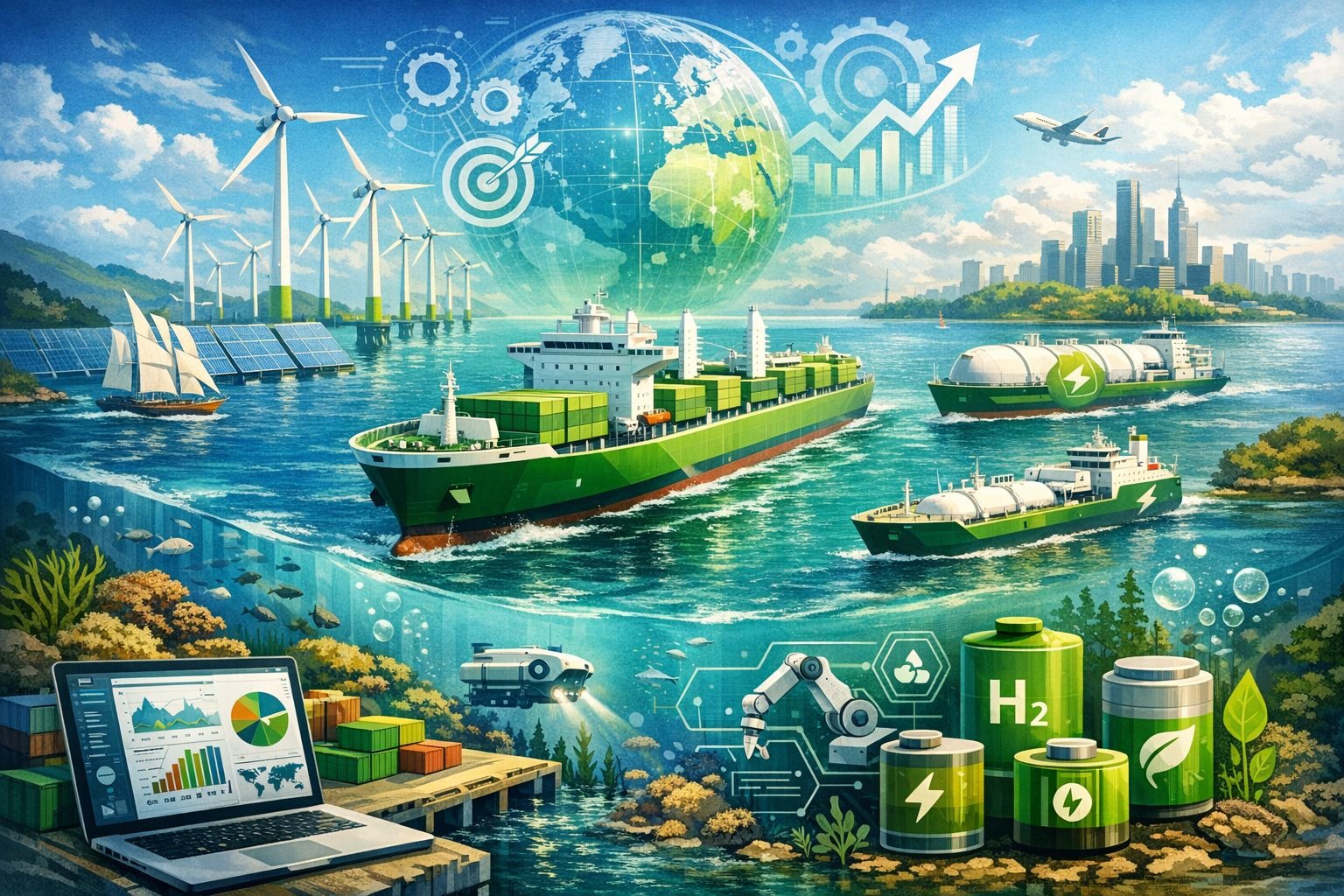
China has set a goal of decarbonizing its maritime operations, with a focus on green ship fleets, low-carbon fuels, and electrification. This push for sustainability could very well be a turning point—one that drives more ambitious decarbonization commitments across the sector.
At such a time, Carbonzeroed plays a critical role in helping maritime businesses make data-driven decisions through our Carbon Cast digital platform.
This platform allows operators to efficiently track energy consumption, monitor emissions, and meet compliance standards, all while optimizing operations to reduce environmental impact.
Geopolitical Changes and Decarbonization Targets
Global shipping is undergoing a significant transformation, driven by ongoing geopolitical shifts and a strong push for decarbonization. For shipowners, aligning their operations with Environmental, Social, and Governance (ESG) criteria is no longer optional—it’s a necessity.
Stakeholders, investors, and regulators are all placing increasing pressure on maritime companies to meet green standards and ensure transparency in their operations.
Failure to demonstrate clear green credentials and regulatory compliance will make it increasingly difficult for companies to access capital.
Decarbonization targets are now influencing lending decisions, and companies that fail to meet them may find themselves at a financial disadvantage.
Digital Platforms: The Key to Decarbonization
A pivotal tool in achieving decarbonization is AI-enabled digital operations. A well-designed digital platform is not just useful—it’s crucial for tracking emissions, managing energy consumption, and reporting on climate-related disclosures. From designing and purchasing vessels to upgrading and operating them, every decision made along the way affects emissions across the entire lifecycle.
By implementing smart digital platforms, companies can bridge operational realities with high-level strategy, empowering teams to make climate-conscious decisions with confidence and efficiency. These platforms also help businesses drive financial gains by:
- Reducing risks
- Lowering operational costs
- Increasing profitability
In Conclusion
At Carbonzeroed, we’re committed to helping maritime companies meet their decarbonization goals with our Carbon Cast digital platform and comprehensive Energy Management Systems. As the Asia Pacific Maritime Exhibition & Conference approaches (March 25-27 in Singapore), we invite you to get in touch with us and explore how we can support your sustainability journey.
Ready to take the next step towards a smarter, greener future?
Discover how CarbonZeroed helps organisations reduce IT emissions and improve efficiency using AI-driven sustainability solutions.
Visit CarbonZeroed to kickstart your sustainability journey.Also, follow us on LinkedIn:
Stay updated with the latest trends and innovations in sustainability and smart building technology. Join the conversation and be part of the movement!
👉 CarbonZeroed LinkedIn Profile