6 mins Read
Data centers have quietly become the backbone of the digital world. Every cloud service, AI model, video stream, and business application depends on them. There is a downside that is becoming harder to ignore. Data centers consume massive amounts of energy, and as demand for computing power increases, so does their carbon footprint.
With AI workloads accelerating and digital services expanding across industries, the question is not just how data centers are growing, but at what cost. This is where green data centers are emerging as a viable solution. Green data centers use artificial intelligence, renewable energy, and smarter operational practices to reduce IT-related emissions without compromising performance or reliability.
Why Conventional Data Center Emissions are Under the Spotlight?
Data centers already account for a meaningful share of global electricity use, and AI-heavy computing is pushing those numbers even higher.
Unlike traditional office buildings, data centers run around the clock. They also require constant cooling, and demand near-perfect uptime. Even small inefficiencies can translate into significant energy waste over time.
For customers who rely on digital services, including finance, retail, healthcare, or logistics, the environmental impact of IT infrastructure is no longer invisible.
Sustainability commitments are now extending beyond supply chains and manufacturing to include digital operations and data infrastructure.
How AI is transforming data center efficiency?
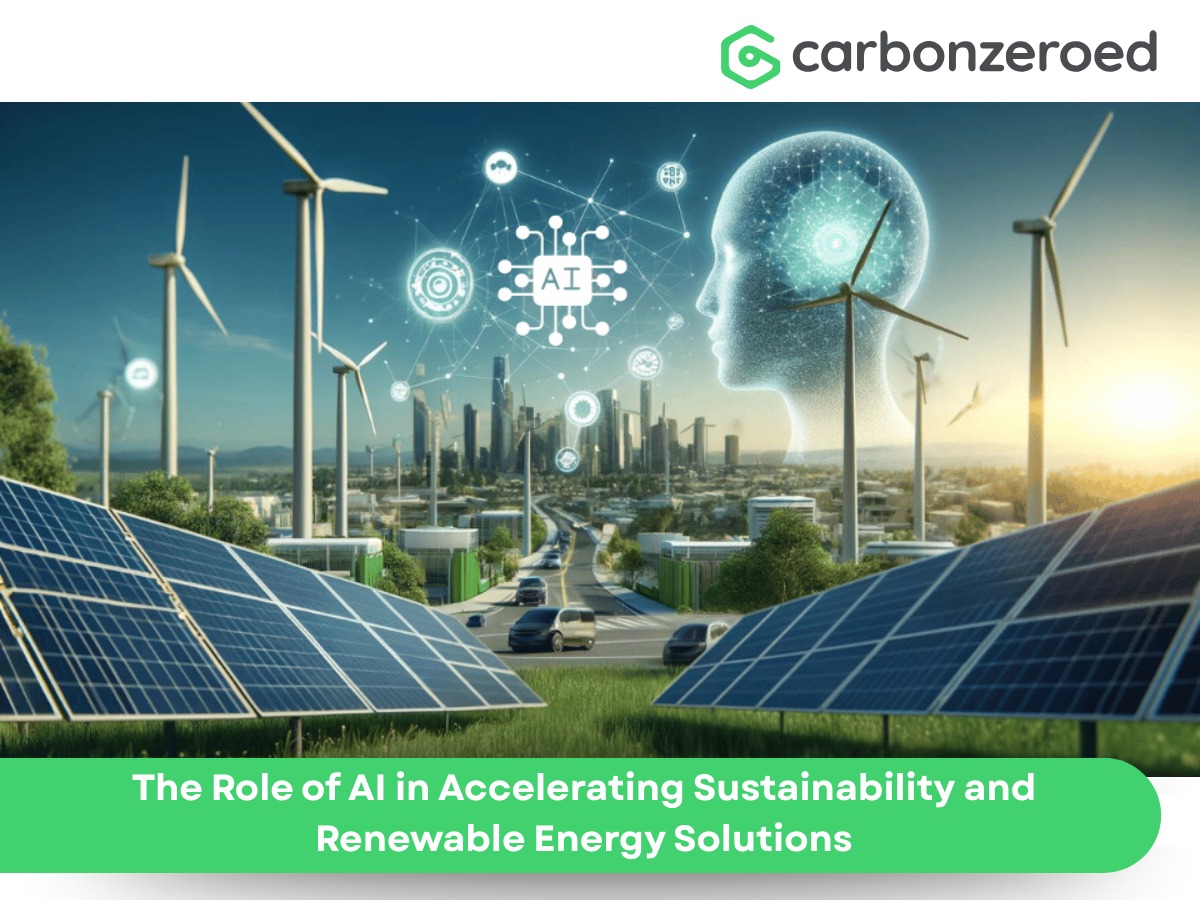
AI plays a key role in making data centers greener by helping existing systems work smarter.
> Smarter cooling systems
Cooling is one of the biggest energy drains in a data center. Traditional systems often rely on static rules and manual oversight, which can lead to overcooling and unnecessary power use.
AI changes this by analysing real-time data from sensors across the facility and adjusting cooling dynamically. Smart cooling systems can predict heat loads and respond instantly to changing conditions. Thus, AI keeps all your essential equipment within safe limits while cutting wasted energy.
> Optimised workload management
AI also helps determine where and when workloads run. Non-critical computing tasks can be shifted to times when renewable energy availability is higher or when grid carbon intensity is lower.
Workloads can be consolidated so idle servers are switched off, improving utilisation and reducing both energy consumption and hardware strain.
> Predictive maintenance
AI-driven monitoring can spot early signs of inefficiency—such as failing fans, airflow blockages, or sensor drift—before they turn into costly failures. This proactive approach reduces downtime, lowers maintenance costs, and prevents energy waste caused by underperforming equipment.
Renewable Energy: Cleaning up the Power Supply
Efficiency alone isn’t enough. Even the most optimised data center still needs a reliable source of electricity, and that’s where renewable energy comes in.
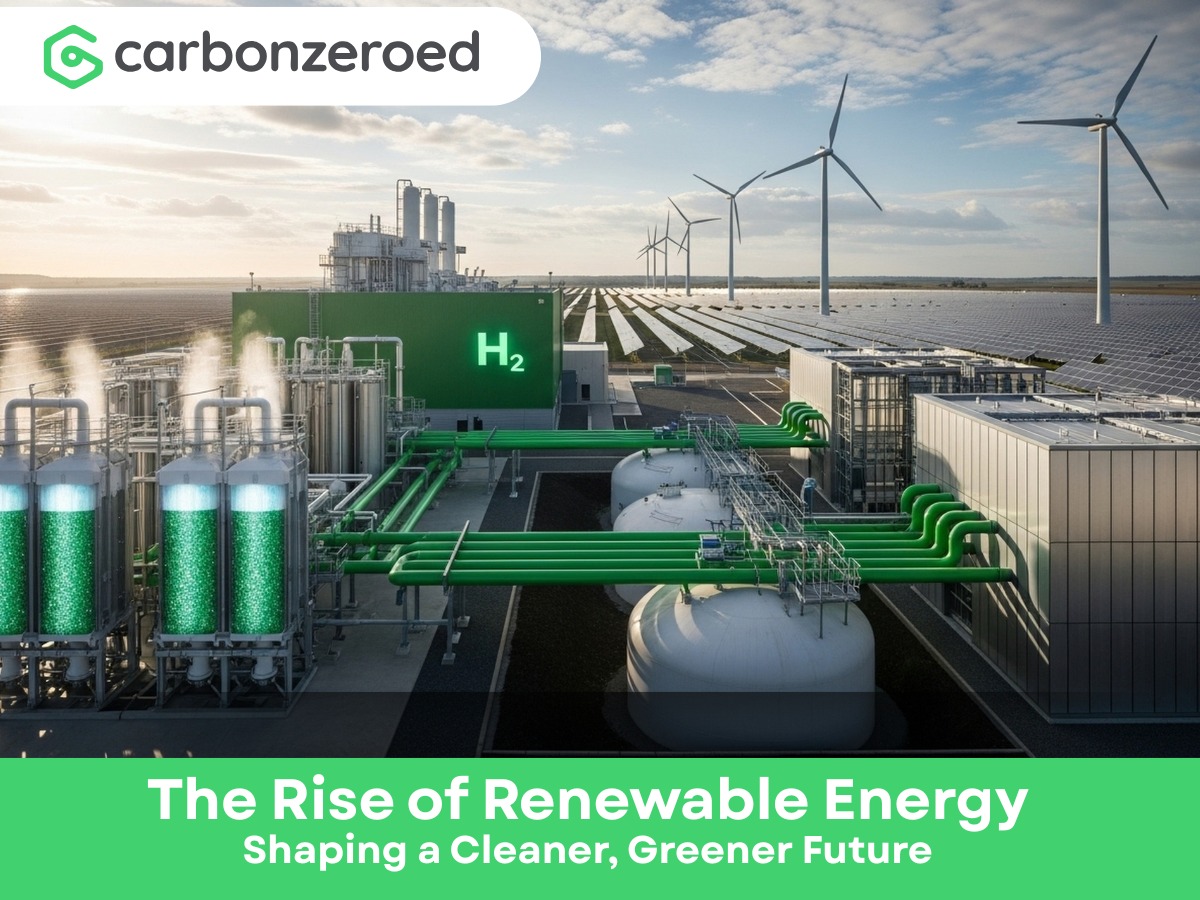
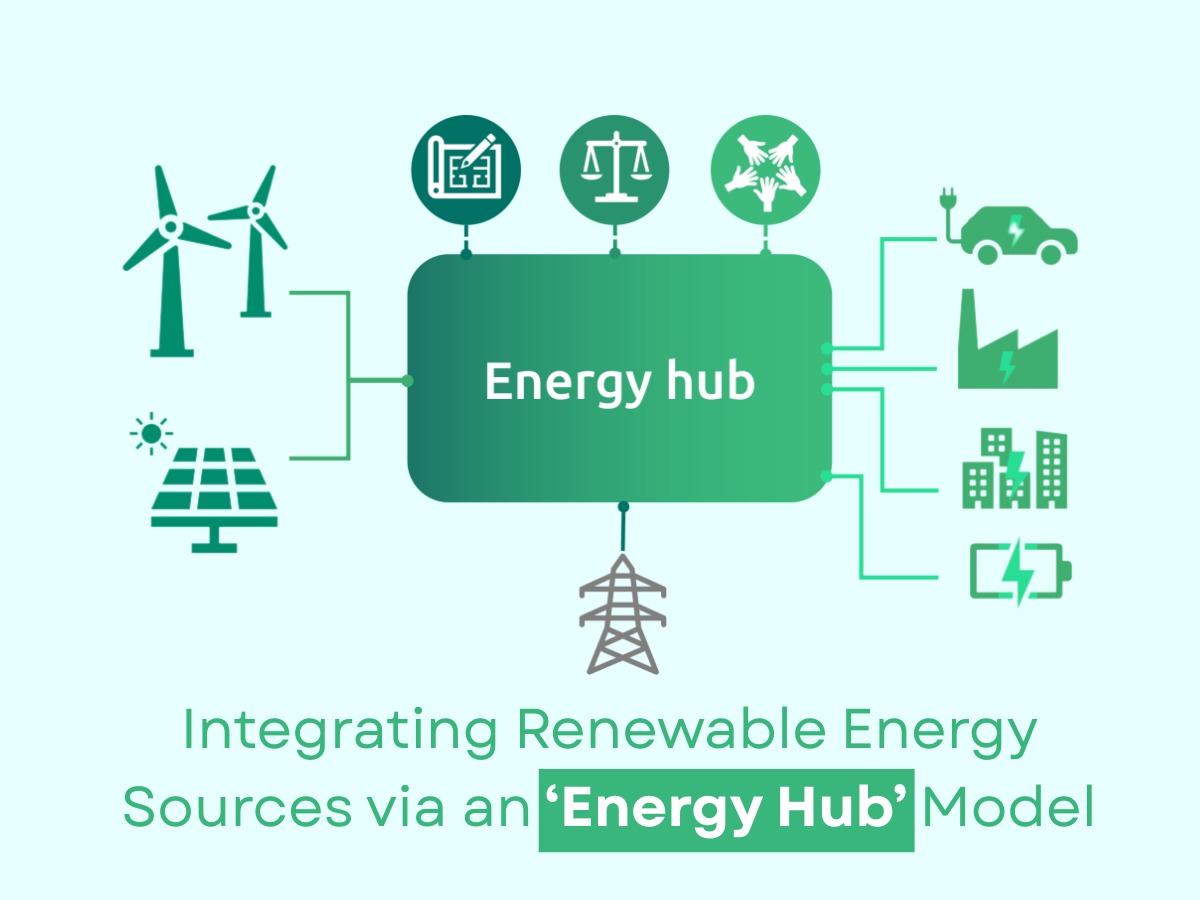
Solar, wind, and other renewable sources are increasingly powering data centers, either through on-site generation or long-term clean energy contracts.
These approaches help reduce reliance on fossil fuels while supporting the expansion of renewable capacity on the grid.
More advanced operators are moving beyond annual renewable matching toward tracking energy use and emissions on an hourly basis. This ensures that emissions reductions are real and measurable. Energy storage systems further strengthen this model by improving resilience and smoothing fluctuations in renewable supply.
The Business Case for Greener Data Centers
Reducing IT emissions isn’t just about meeting sustainability targets. Green data centers often deliver real business benefits, including lower operating costs, improved reliability, stronger regulatory compliance, and increased appeal to environmentally conscious customers.
For organisations that depend on digital infrastructure, choosing greener data centers is a practical step toward long-term resilience and responsible growth.
Conclusion
Using AI and renewable energy in data centers isn’t about technology for technology’s sake—it’s a practical way to cut carbon emissions, reduce energy costs, and run digital operations more efficiently. As expectations rise from regulators, investors, and customers, organisations that embrace smarter, cleaner data infrastructure will be better positioned for the future.
And because data centers represent a growing share of global energy demand, even modest efficiency gains can have a meaningful impact on the climate.
Ready to take the next step toward a more efficient and responsible business model?
Discover how CIRTEC.ai helps organisations track, manage, and reduce emissions while improving operational performance.
👉 Visit CIRTEC.ai to begin your carbon management journey.Also, follow us on LinkedIn:
Stay informed about practical approaches to carbon reduction, evolving regulations, and real-world business strategies. Be part of a growing network focused on measurable progress.
👉 CIRTEC.ai LinkedIn Profile