6 mins Read
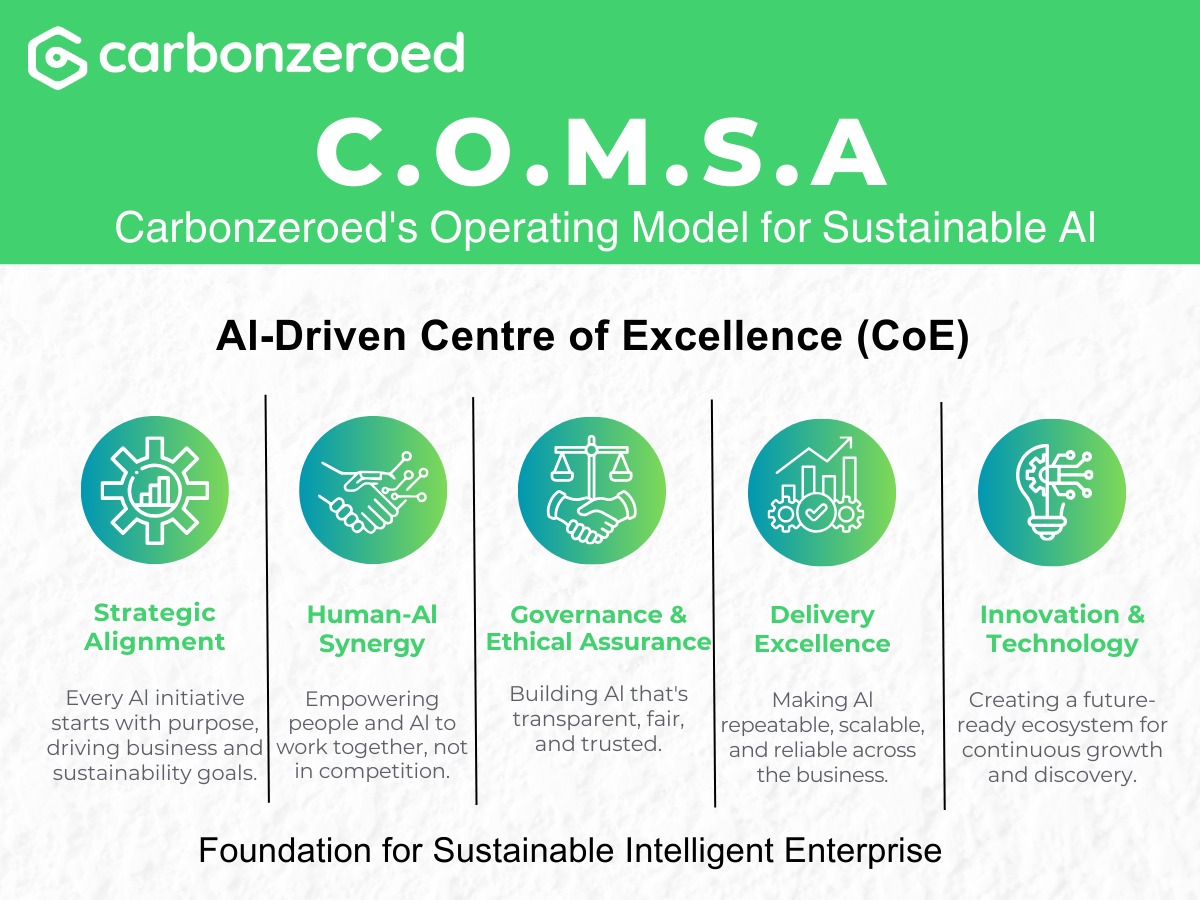
AI is at the forefront of helping businesses and organizations transition to a sustainable future. With the growing demand for renewable energy solutions and the need to reduce carbon footprints, AI is emerging as a key player. By optimizing energy usage and supporting smarter, data-driven decision-making, AI is transforming industries and driving the adoption of clean energy solutions.
AI-Driven Energy Efficiency: The Path to Smarter Operations
AI’s impact on energy efficiency cannot be overstated. In commercial and industrial buildings, AI-powered systems can monitor and optimize energy consumption in real-time. For example, by adjusting heating, cooling, and lighting systems based on occupancy patterns, AI ensures that energy is only used when needed, reducing wastage.
According to a research report by Science Direct, AI-driven energy systems can reduce energy consumption by as much as 30% while maintaining optimal comfort and efficiency.
A similar point was made by the World Economic Forum in its last year’s report, which stated: “As the global energy transition faces growing challenges in balancing security, affordability, and sustainability, energy efficiency plays a pivotal role in achieving both climate and development goals.”
The promising news is that improving energy efficiency presents a significant opportunity. Actions aimed at reducing energy demand, such as enhancing efficiency, could cut energy consumption by up to 31%. This could save up to $2 trillion annually by the end of the decade, while also preventing substantial emissions. Interestingly, for businesses, this means lower energy costs, increased operational efficiency, and a significant reduction in carbon emissions.
As the global emphasis shifts toward energy optimization, a greener Earth, and sustainability, AI offers an invaluable tool to meet sustainability targets and improve bottom-line performance.
AI in Integrating Renewable Energy Sources
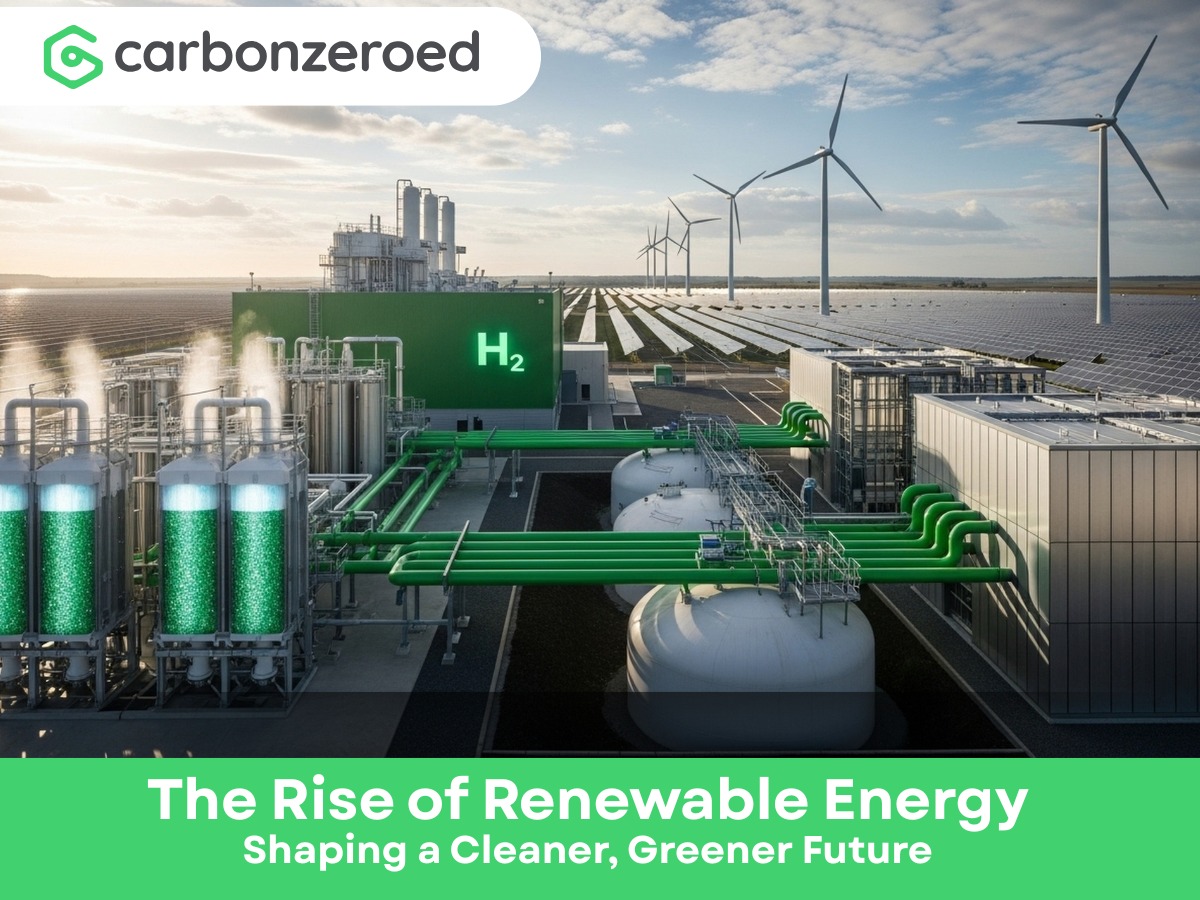
One of the greatest challenges in the renewable energy sector is the intermittent nature of renewable energy sources like wind and solar. Their availability depends on weather patterns, making it difficult to rely solely on them for a consistent energy supply. This is where AI steps in.
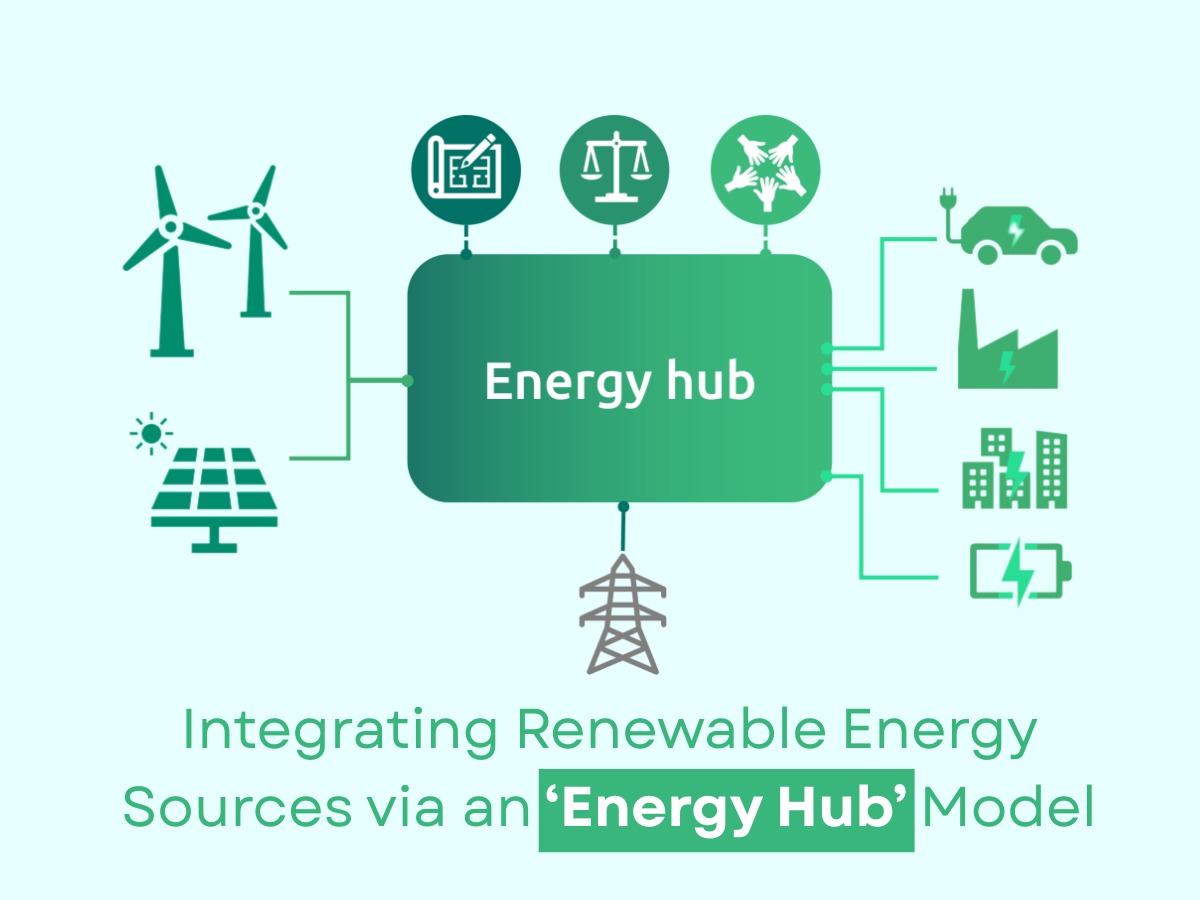
AI platforms can forecast energy production from these renewable sources with accuracy, based on weather patterns and historical data. By predicting periods of low and high generation, AI helps balance the energy grid, ensuring that supply meets demand efficiently. This integration of AI with renewable energy systems not only maximizes the utilization of clean energy but also minimizes reliance on fossil fuels.
For instance, AI can predict solar energy output during cloudy days and automatically adjust power storage systems or energy consumption patterns accordingly. This level of optimization can enhance the stability of energy grids and accelerate the transition to a fully sustainable energy system.
AI in Achieving Sustainability Goals
Businesses and governments around the world are setting ambitious sustainability goals, such as reaching net-zero emissions or reducing energy consumption. AI is a powerful tool in helping achieve these goals by providing real-time data and essential insights that allow organizations to track and reduce their carbon footprint.
With AI, organizations can monitor energy consumption, analyze patterns, and identify inefficiencies across their operations. By taking corrective measures, businesses can incorporate AI recommendations to not only thrive but also drastically reduce industrial waste, emissions, and energy consumption—without compromising on operational efficacy.
The Global Impact of AI on Sustainability
The potential for AI to reduce global energy demand is immense. According to the International Energy Agency (IEA), AI solutions could reduce global energy demand by 10% by 2040 through better energy efficiency. This reduction is not only crucial for lowering emissions but also presents a major opportunity for industries to transition towards more sustainable practices while maintaining their economic competitiveness.
Conclusion
At CarbonZeroed, we leverage the power of AI to provide businesses with the tools they need to achieve their sustainability and renewable energy goals. Our AI-driven platforms are designed to optimize energy consumption, reduce carbon emissions, and seamlessly integrate renewable energy sources into existing systems.
We help organizations implement smarter energy management strategies that lead to lower costs, a significant reduction in environmental impact, improved operational efficiency, and the ability to stay ahead of regulatory requirements.
Ready to take the next step toward a more efficient and responsible business model?
Discover how CIRTEC.ai helps organisations track, manage, and reduce emissions while improving operational performance.
👉 Visit CIRTEC.ai to begin your carbon management journey.Also, follow us on LinkedIn:
Stay informed about practical approaches to carbon reduction, evolving regulations, and real-world business strategies. Be part of a growing network focused on measurable progress.
👉 CIRTEC.ai LinkedIn Profile